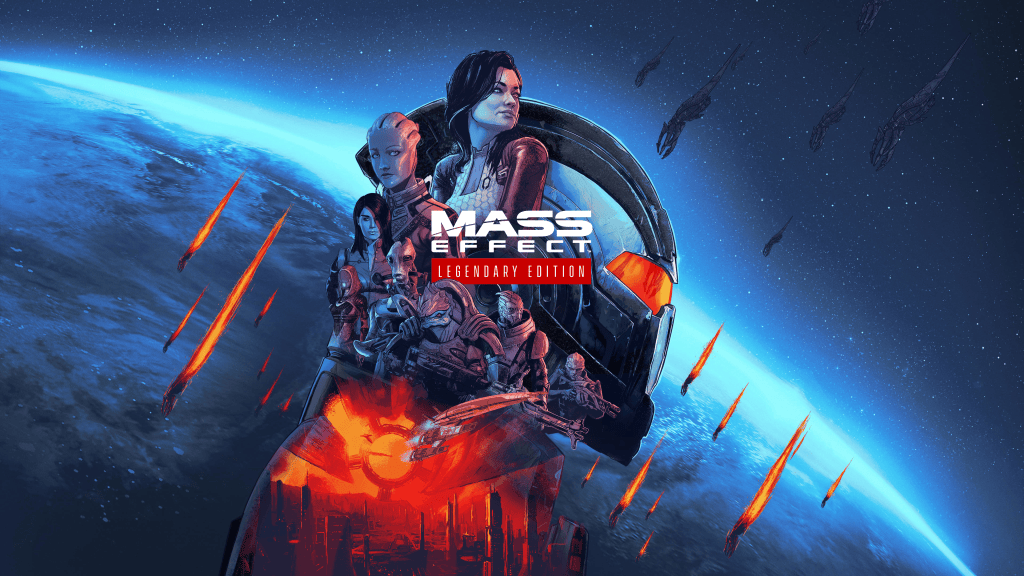
BioWare is officially closing its doors, and with that announcement comes the uncertain future of some of the most beloved intellectual properties in gaming history. After more than 30 years of creating memorable characters, unforgettable stories, and worlds that players could lose themselves in for hundreds of hours, the studio’s journey is coming to an end. Electronic Arts confirmed the closure on October 21, 2026, alongside the cancellation of the next Mass Effect project.
Founded in 1995, BioWare quickly became a staple of the gaming industry. We’re talking about a developer responsible for games like Baldur’s Gate, Neverwinter Nights, Star Wars: Knights of the Old Republic, Dragon Age, and Mass Effect.
That’s one heck of a résumé.
I can honestly tell you that I’ve spent years playing BioWare games, and some of them stuck with me long after I put the controller down. Heck, there were even games I continued playing when they weren’t necessarily at their best. That’s what happens when a developer creates something that connects with you. You want to see it succeed, even when it stumbles.
For me, though, Mass Effect was the crown jewel.
Mass Effect Was More Than Just Another RPG
What made Mass Effect so special was the way it made your decisions matter.
You weren’t simply playing through a story, finishing a mission, and moving on to the next game. Your choices could carry over through save files into subsequent entries in the trilogy. Decisions you made earlier could affect relationships, characters, and events further down the road.
That sense of continuity was a big deal.
You were building your own version of Commander Shepard’s journey. The consequences of your decisions followed you, and the universe felt like it remembered what you had done.
That’s the kind of storytelling that makes a franchise memorable. It’s not just about having a good combat system or a beautiful world to explore. It’s about giving players a reason to care about what happens next.
I also spent a considerable amount of time with Star Wars: Knights of the Old Republic. And Neverwinter Nights? I’ve put some serious hours into that one, too.
Dragon Age was another franchise I spent a little time with back in the day. It wasn’t a bad series by any means; it just never quite hit that spot for me the way Mass Effect did.
And that’s perfectly fine. Not every game is going to connect with every player.
But BioWare gave us options. It created different worlds for different kinds of RPG fans, and that’s something worth appreciating.
From Legendary Developer to Corporate Casualty
So, how did we get here?
BioWare has had its share of difficult years. Mass Effect: Andromeda faced significant criticism following its 2017 release, while Anthem struggled to establish a lasting audience after launching in 2019. More recently, Dragon Age: The Veilguard arrived in 2024 to a mixed reception.
I’m not going to sit here and pretend BioWare never made mistakes. It did. Every developer does.
But there’s a difference between acknowledging a company’s failures and watching it lose the opportunity to recover from them.
The situation reminds me of the warning signs we saw during the video game industry’s earlier growing pains. Remember Atari and the infamous E.T. the Extra-Terrestrial game? The story of Atari’s struggles is more complicated than one poorly received game, but it remains a symbol of what can happen when business decisions and consumer expectations collide.
That’s what makes BioWare’s situation so frustrating to me.
This was a studio with decades of experience, established franchises, recognizable characters, and an audience that still cares deeply about its work. There was still potential here.
Instead, we’re looking at a future where those creative teams are being dispersed and the next Mass Effect project has been cancelled.
And that really hurts.
EA, What Exactly Are You Doing With These IPs?
Here’s where I have to put some of the blame on EA.
I’m not going to lie: I’ve never been particularly impressed with the way major publishers sometimes handle their biggest franchises. They acquire studios, build portfolios of valuable intellectual properties, and then seem content to leave some of those properties sitting on the shelf.
What’s the point of owning a mountain of IPs if you’re barely doing anything with them?
Think about it like buying stock and holding it forever as an asset. There’s nothing inherently wrong with holding an investment, but if you never have a plan for what to do with it, what exactly are you trying to accomplish?
These franchises aren’t just names on a balance sheet. They represent years of creative work, communities of fans, and opportunities to tell new stories.
I’m not saying EA should pump out a new Mass Effect every other year. Absolutely not. Rushing a game just to meet a financial target is one way to damage a franchise even further.
What I’m saying is that if EA owns these properties, it should have a plan for them.
Give the right developers the time, resources, and creative freedom to make something worthwhile. If EA no longer wants to invest in a franchise, then explore licensing it to another capable studio.
Let somebody else take a shot at keeping these worlds alive.
Because what’s the alternative? Letting decades of creative history become little more than a collection of old games that people occasionally revisit?
That’s not a future I’m excited about.
The Mass Effect We Could Have Had
One of the things that makes this situation sting even more is seeing glimpses of what could have been.
The footage and material circulating around the cancelled Mass Effect project had me genuinely interested. There was something about what I saw that looked downright smexy to me.
I wanted to see more.
I wanted to know what the team was building, what direction the story was going in, and whether the next chapter could recapture some of that magic from the original trilogy.
Now, we don’t get to find out what that particular project could have become.
And that’s a shame.
To be clear, cancelling a project doesn’t mean every idea behind it was guaranteed to be great. Game development is complicated, and we don’t know every internal decision that led to this outcome. But that’s precisely why it hurts: we’ll never get to experience the finished product and decide for ourselves.
Sometimes, all a franchise needs is the opportunity to get back on its feet.
Can a Petition Actually Make a Difference?
There’s currently a Change.org campaign called #SaveMassEffect, asking EA to reconsider the franchise’s future, either by committing resources to future development or by exploring licensing the IP to another studio.
At the time of writing, the petition has surpassed 230,000 verified signatures. That’s a substantial show of support from people who aren’t ready to let this universe go quiet.
I signed it.
I’m not going to lie and tell you I know whether it’ll work. I don’t. A petition doesn’t guarantee that a corporation will reverse its decision, and EA hasn’t announced a plan to revive the cancelled project.
But considering I signed one for Bungie, you never know.
What I do know is that staying silent guarantees nothing, either.
If enough people make their voices heard, perhaps EA will at least reconsider its options. Maybe that means funding a different development team. Maybe it means licensing Mass Effect to another publisher or developer with a strong track record in narrative RPGs.
Whatever the solution looks like, I’d love to see these games have a future.
And I hope the people making those decisions understand that the fans aren’t asking for these franchises to be exploited until there’s nothing left. We’re asking for them to be treated with the care that made us fall in love with them in the first place.
Could Xbox Be the Answer?
Here’s an idea I keep coming back to: what if Xbox had an opportunity to bring some of this talent and creative history into its own ecosystem?
I’ve said before that Xbox still seems to be wrestling with its identity. Is it primarily a hardware manufacturer? A publisher? A platform? A developer? These days, the answer increasingly seems to be a little bit of everything.
That’s not necessarily a bad thing, but Xbox needs a clear direction.
And a studio with BioWare’s legacy would have made an interesting addition to the gaming landscape.
Imagine a renewed commitment to story-driven RPGs, with developers given the time to create ambitious worlds and meaningful choices. Imagine Xbox helping preserve that kind of game development rather than allowing its legacy to disappear.
Of course, there’s a significant distinction here: EA owns these franchises, and BioWare’s closure doesn’t automatically make Mass Effect or Dragon Age available for Xbox to acquire. Any acquisition or licensing arrangement would require an agreement with the relevant rights holders.
Still, I can’t help wondering whether another publisher could give these franchises a different future.
Perhaps Xbox could acquire rights to a franchise, license one of the properties, or hire some of the talented developers affected by the closure. Those are possibilities, not confirmed plans.
But I’d rather see companies explore those possibilities than watch valuable creative talent and beloved franchises lose their future.
BioWare Deserved Better Than This
At the end of the day, I’m disappointed.
BioWare wasn’t perfect. It had missteps, released games that disappointed some fans, and struggled to maintain the momentum that made it such a powerhouse in the RPG genre.
But it also gave us games that people will continue discussing for years.
It gave us the unforgettable adventures of Baldur’s Gate. It gave us the world of Neverwinter Nights. It gave us Knights of the Old Republic. It gave us Dragon Age. And it gave us Mass Effect, a franchise that made countless players feel like their decisions mattered.
That’s a legacy worth protecting.
I don’t know whether the petition will change anything. I don’t know if EA will reconsider its decision. And I certainly don’t know whether another company will step in to help these franchises find a new home.
What I do know is that I’d love to see BioWare’s legacy continue, even if it has to happen through another studio.
BioWare may be closing, but its games don’t have to be the end of the story.
If EA no longer wants to invest in these worlds, then let somebody else try. Give those franchises a chance to shine again. Give the fans something to look forward to.
Because it would be a real shame to watch all that potential go to waste.
And if you’re a Mass Effect fan like me, you know the Normandy deserves another voyage.